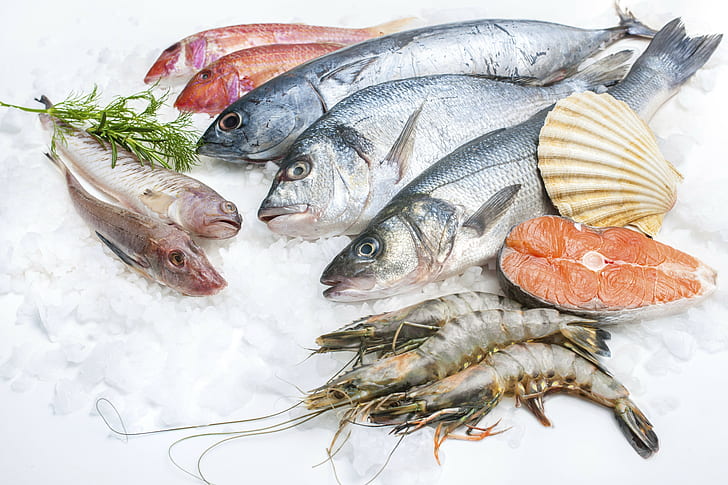

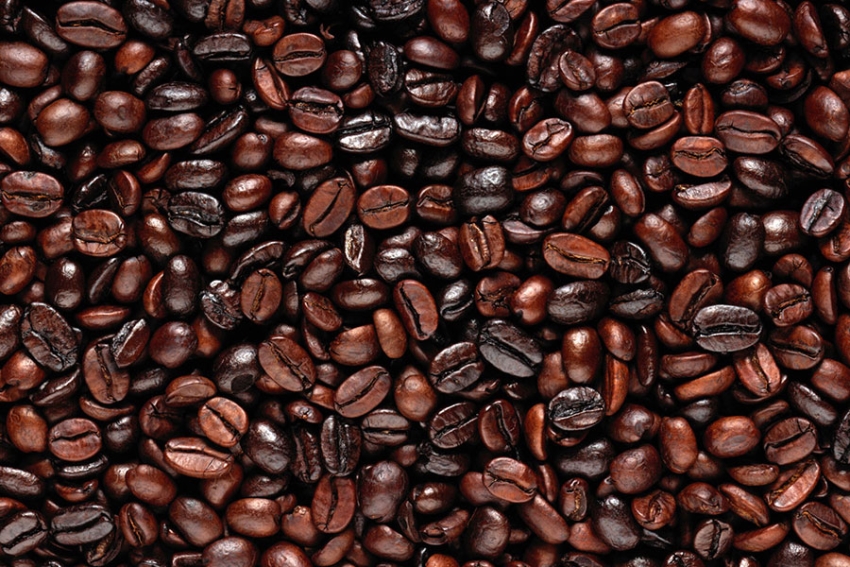


Vietnam has become an attractive sourcing destination for international buyers, particularly in food and agricultural products such as coffee, pepper, cashew, seafood, fruits and processed foods. However, finding a supplier with a competitive price is only the beginning. The real challenge is finding a partner who can consistently meet your quality, compliance and delivery requirements. Here are the key factors international buyers should consider.
1. Check Product Quality and Consistency
Do not evaluate a supplier based on samples alone. Ask about:
- Product specifications
- Raw material sources
- Quality control procedures
- Laboratory testing
- Traceability
- Complaint handling
A reliable supplier should be able to demonstrate that the quality of the first shipment can be maintained over the next ten.
2. Verify Certifications
Depending on the product and target market, relevant certifications may include: BRCGS, IFS, FSSC 22000, ISO 22000, HACCP, HALAL, KOSHER or Organic. However, buyers should verify more than the certificate logo. Check:
- Certificate validity
- Certification body
- Manufacturing site
- Certification scope
- Applicable products
A certificate only creates value when it genuinely covers the supplier's operation and products.
3. Evaluate the Factory
Whenever possible, conduct a factory audit or arrange an independent inspection. Look at:
- Production capacity
- Hygiene and sanitation
- Storage conditions
- Production processes
- Quality control
- Employee practices
- Traceability systems
A professional factory should be able to explain its processes clearly and transparently.
4. Check Export Experience
Manufacturing for the domestic market is different from supplying international buyers. Ask: Which countries does the supplier currently export to? Experienced exporters are generally more familiar with documentation, packaging, labelling, customs procedures and customer-specific requirements.
5. Assess Communication
Communication is often an early indicator of a future business relationship. Pay attention to:
- Response time
- Accuracy of quotations
- Understanding of specifications
- Documentation
- Transparency
- Problem-solving ability
A supplier that communicates clearly before receiving an order is more likely to manage the relationship professionally afterward.
6. Evaluate Supply Capacity
Before placing a long-term order, understand:
- Production capacity
- Minimum order quantity
- Lead time
- Raw material availability
- Peak-season risks
- Shipment planning
The right supplier is not necessarily the biggest supplier. It is the supplier whose capacity matches your business requirements.
7. Look Beyond Price
The lowest price does not always mean the lowest cost. A quality failure, shipment delay or documentation problem can create much higher costs for an importer. A better approach is to evaluate: Quality + Compliance + Capacity + Communication + Reliability + Price
For Vietnamese Manufacturers
The same principle works in reverse. Vietnamese food manufacturers that want to attract international buyers need more than competitive products. They need to demonstrate international readiness through quality management, certification, traceability and export compliance. This is where professional consulting can make a difference. VIFASO (Vifarms Solution) supports Vietnamese food businesses in strengthening food safety systems, obtaining international certifications and preparing for demanding export markets.
Final Thought
A reliable supplier is not simply a company that can offer a good price.
It is a partner that can deliver the right product, at the right quality, with the right documentation, consistently and transparently.
Looking for a reliable Vietnamese food supply partner or preparing your business for international markets? VIFASO is ready to support your journey.